
Keep Up with the Action
Stay up to date with the latest news.

Creating innovative solutions to end hunger, for everyone, for good.
For 45 years, Action Against Hunger has been at the forefront of global hunger research. Our teams work in over 55 countries globally, co-creating innovative solutions with the communities we serve. Together, we pilot new approaches to end hunger, combat malnutrition, end gender inequality, prevent illness, provide clean water, and so much more.
It all started in 1979, when our early hunger-fighting pioneers started a movement to end hunger for everyone, for good. These scientists, researchers, and philanthropists believed food was a basic human right — and that no child should go to bed hungry. Over four decades later, Action Against Hunger has created revolutionary programs and life-saving inventions that reach 21 million people every year. We’re the first and only independent nonprofit singularly focused on innovating to end global hunger.
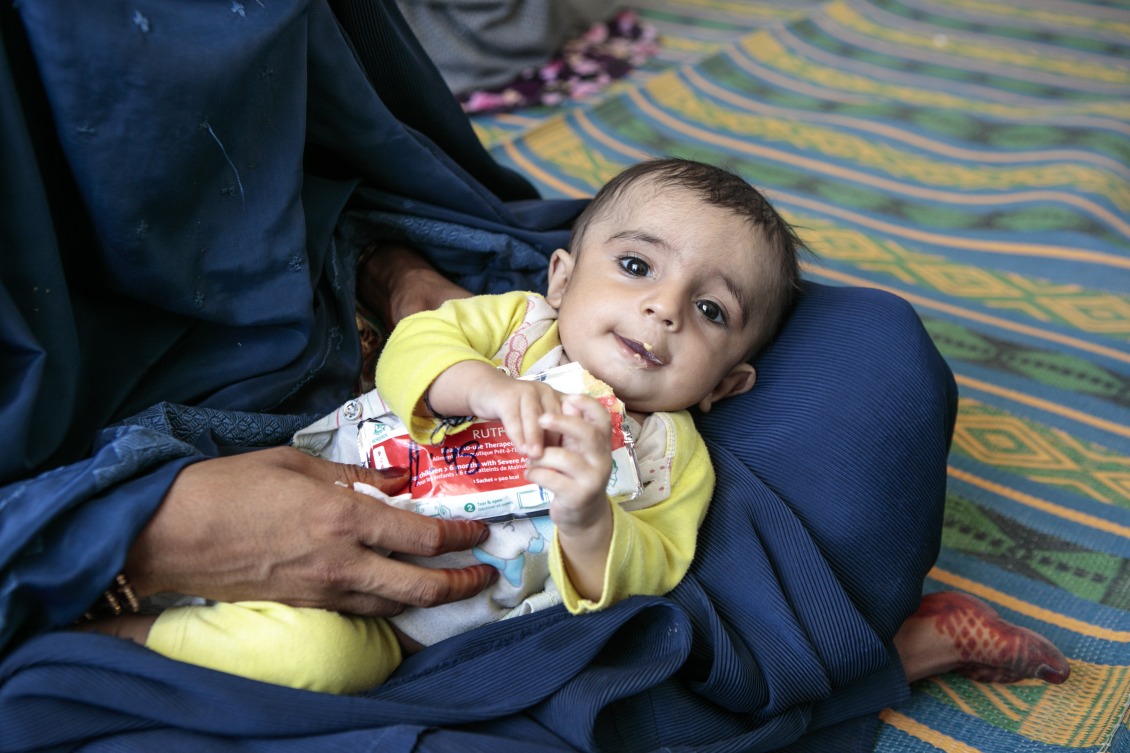
We’ve launched a wide range of innovations — from tools that can predict natural disasters to an iPhone app that can detect malnutrition. We also pioneered F100, the first therapeutic milk formula to treat severely malnourished children. Our formula is the basis for Ready-to-Use Therapeutic Foods (RUTF), a peanut butter-like medicinal paste that’s rich in calories. Since this treatment was developed, the number of malnourished children in the world has been cut in half.
Our work is far from over. Half of all child deaths are linked to hunger. One in 11 people still suffer from hunger. Almost 30% of people worldwide are food insecure. But with research and innovation, it is possible to solve the hunger crisis in our lifetimes.
Here are a few of our ongoing projects:
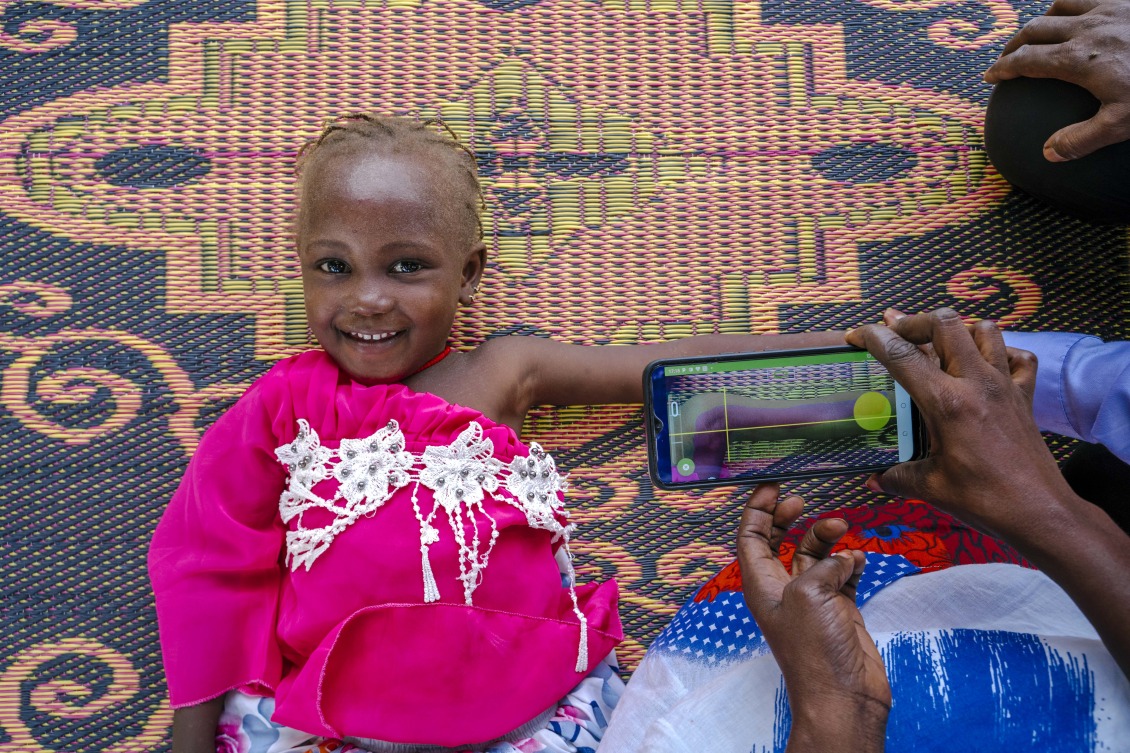
Our SAM Photo App can screen children for malnutrition using photos taken from a smartphone camera by comparing the body shape of a child with severe acute malnutrition with that of a healthy child. By giving families and health workers a faster, more accurate diagnosis of a child’s nutrition status, the app helps them know when treatment is needed – before it is too late.
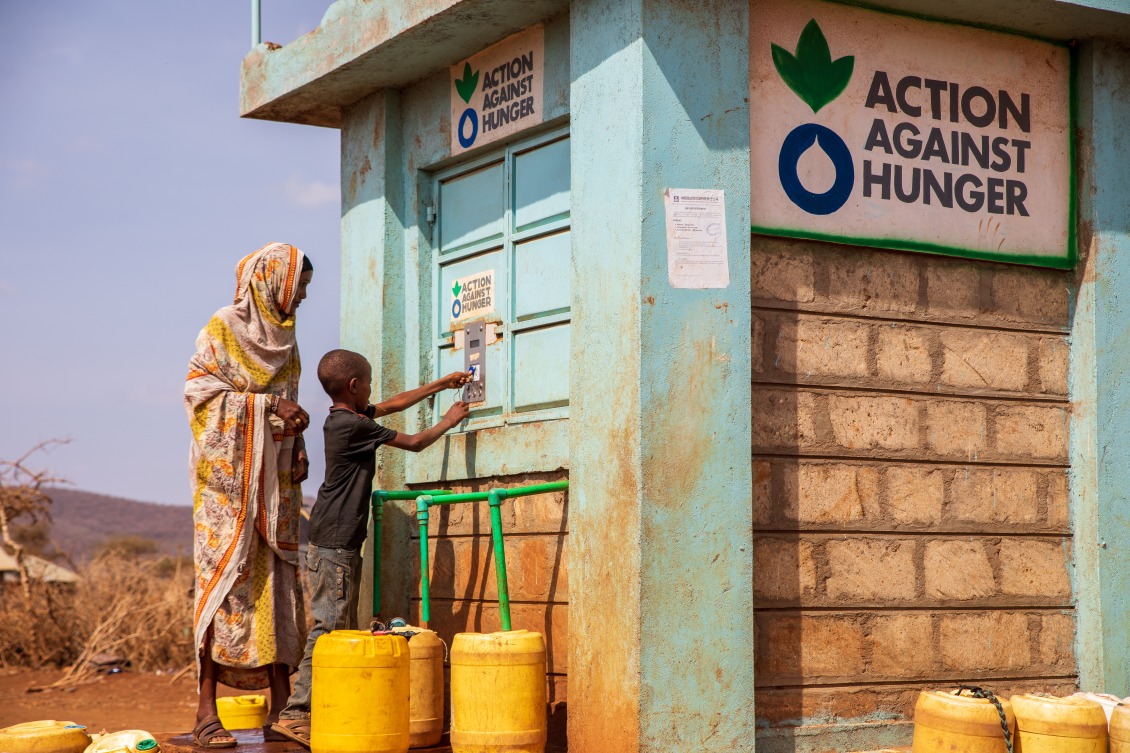
In Kenya’s drought-affected communities, Action Against Hunger installs Smart Taps – a water dispenser that uses a token system to provide clean water, functioning similarly to a user-friendly ATM. Families register with their local water management committee and receive tokens to access clean water at a low cost.
REact is a free web tool that makes it easy for any nonprofit manager to assess their program’s energy needs and design renewable solutions. REact is the first tool of its kind and was developed by Action Against Hunger with input from 40 NGOs and UN agencies. It is available at no cost to users.
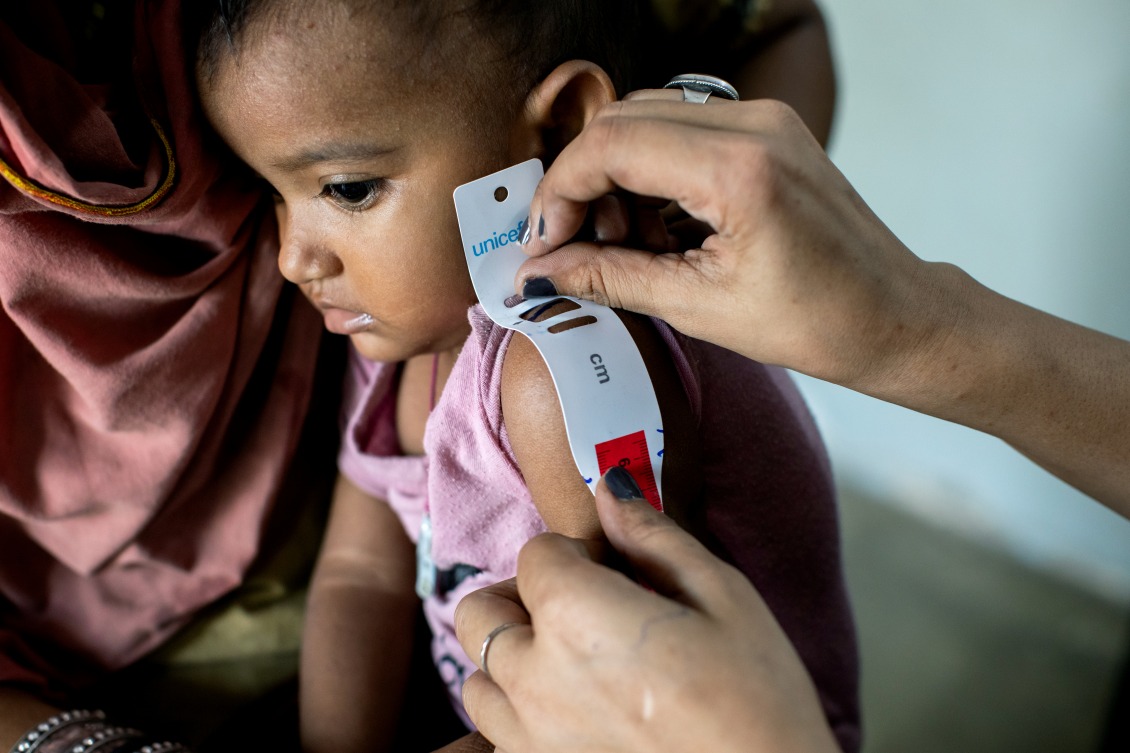
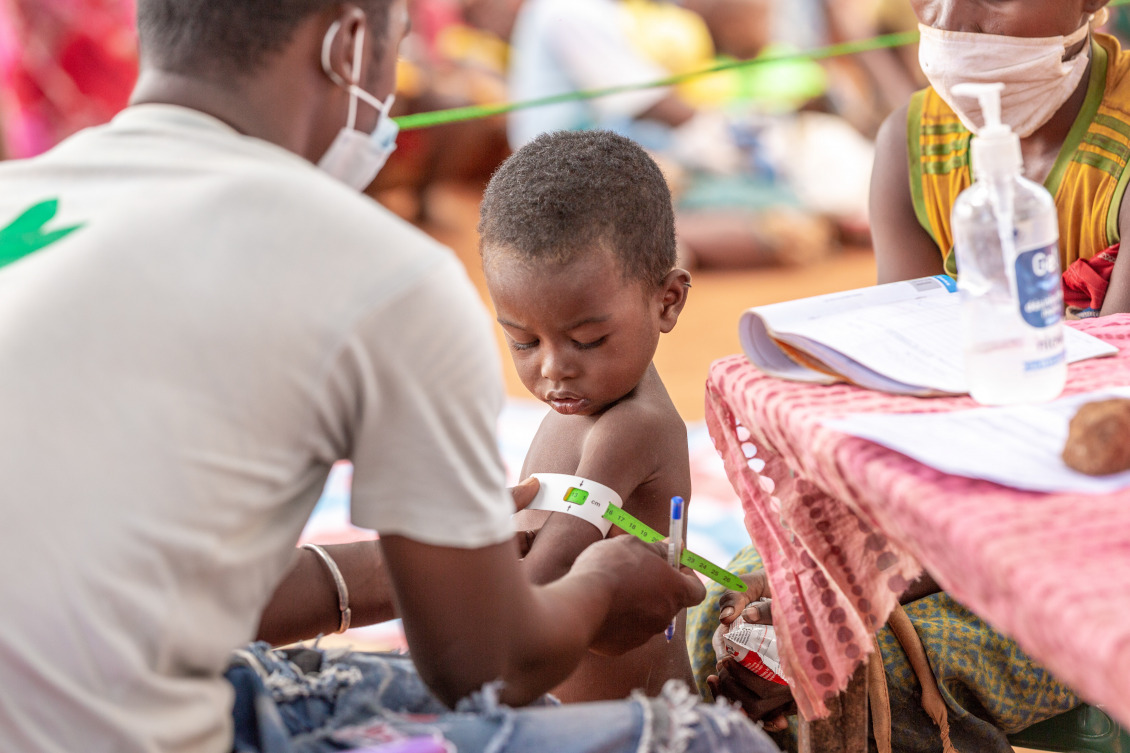
A MUAC (Mid-Upper Arm Circumference) band is a simple, color-coded measurement tool that is wrapped around a child’s mid-upper arm to indicate if they are healthy or malnourished.
Our Family MUAC approach teaches parents how to use the band to easily screen their children for malnutrition in their homes, instead of at a health center, saving them time and money.
This proven approach helps to increase early detection of malnourished children, minimize severe malnutrition cases, and empower parents to monitor their children’s health more easily and routinely.
As inflation and supply shortages make resources increasingly limited, we seek to find new ways to reach more children with treatment while saving on costs. In Ethiopia, Action Against Hunger is studying the effectiveness of treating malnourished children with reduced treatment doses.
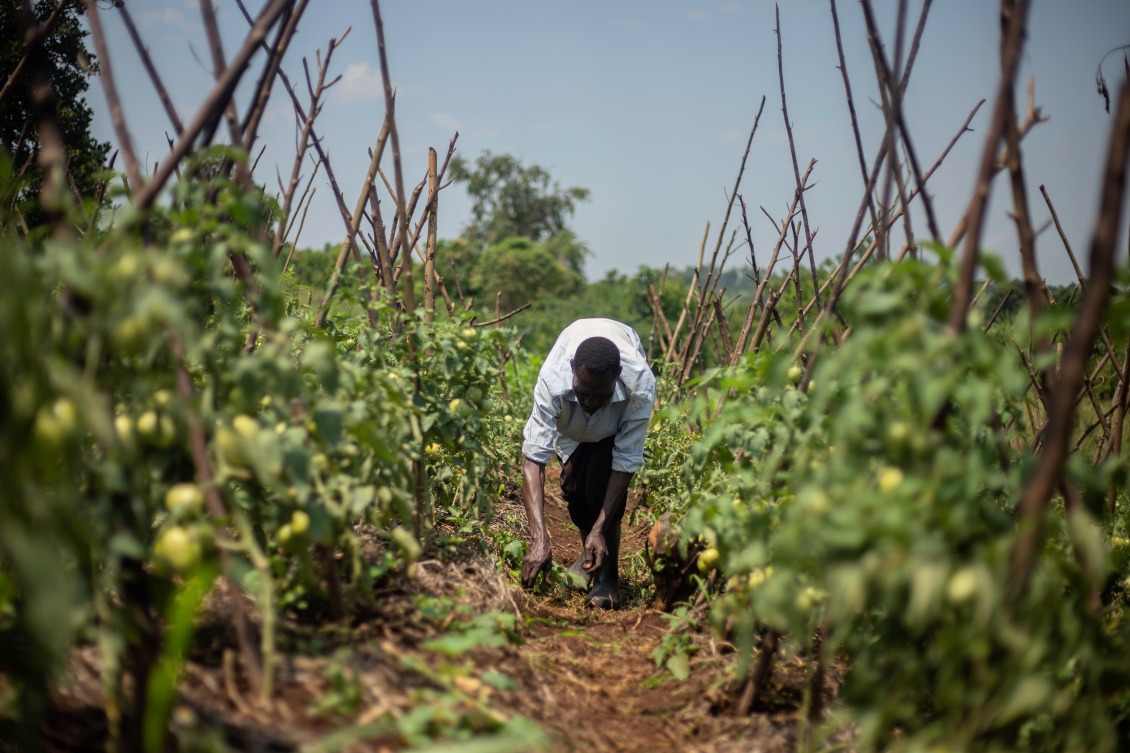
Action Against Hunger teaches refugee and host communities in Uganda how to use the Optimized Land Use Model (OLUM). OLUM is an innovative farming method that helps communities adapt to climate change and grow nutrient-rich crops by integrating climate-smart techniques.
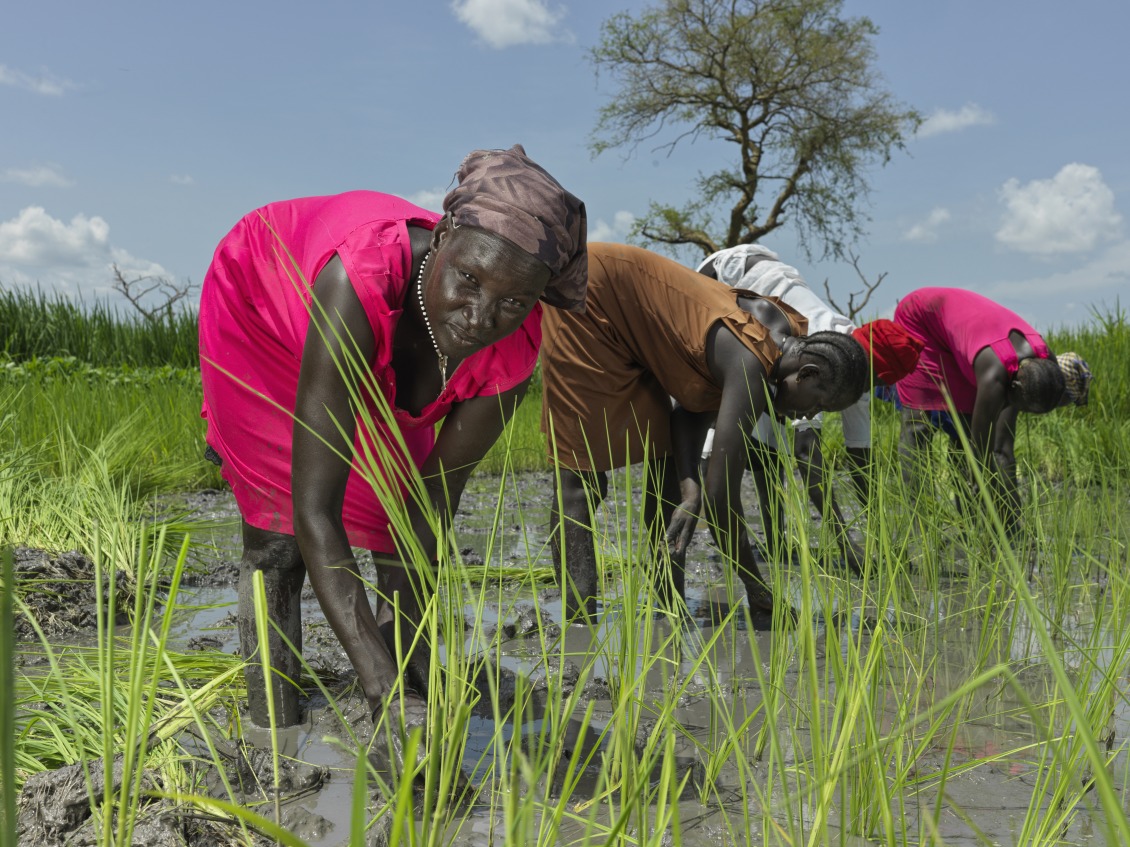
To mitigate flooding in South Sudan, Action Against Hunger introduced lowland rice in flooded areas, a novel crop to the region. With this crop, farmers have an alternative source of food and income – because while the region’s staple crops can’t grow in flood waters, rice can.
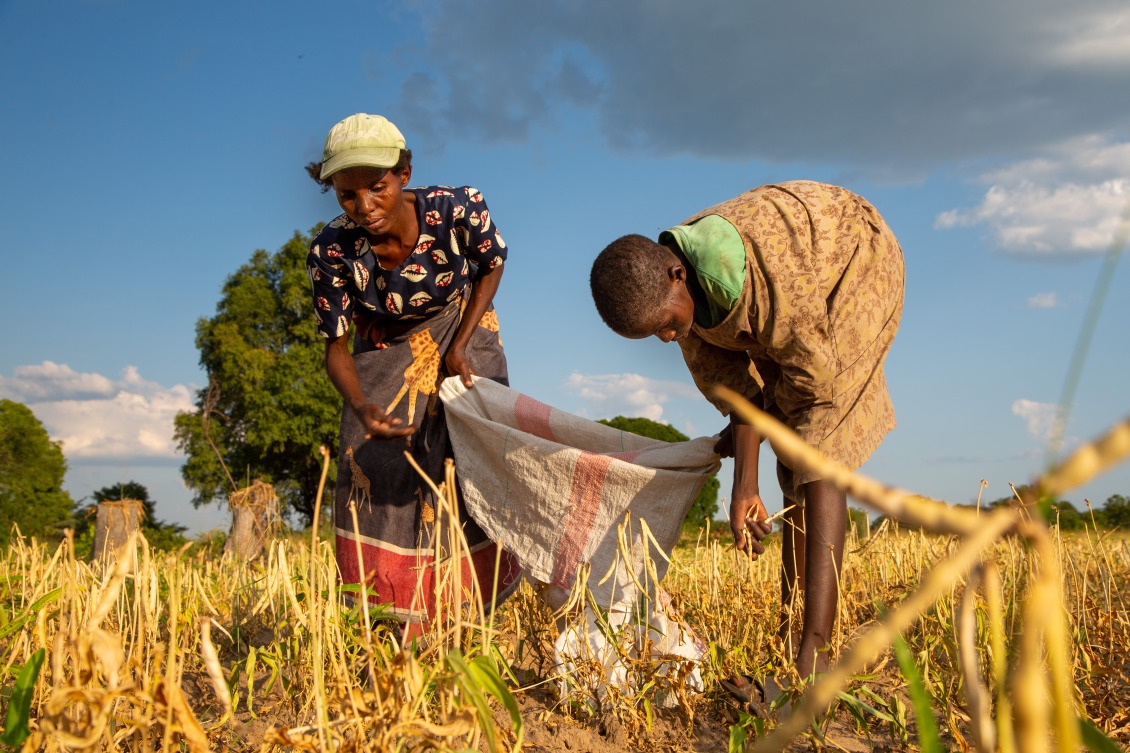
In Zambia’s Western Province, Action Against Hunger is working with farmers to plant, harvest, and sell drought-resistant black-eyed peas as part of our 10-year program to tackle hunger and build resilience through climate-smart agriculture.
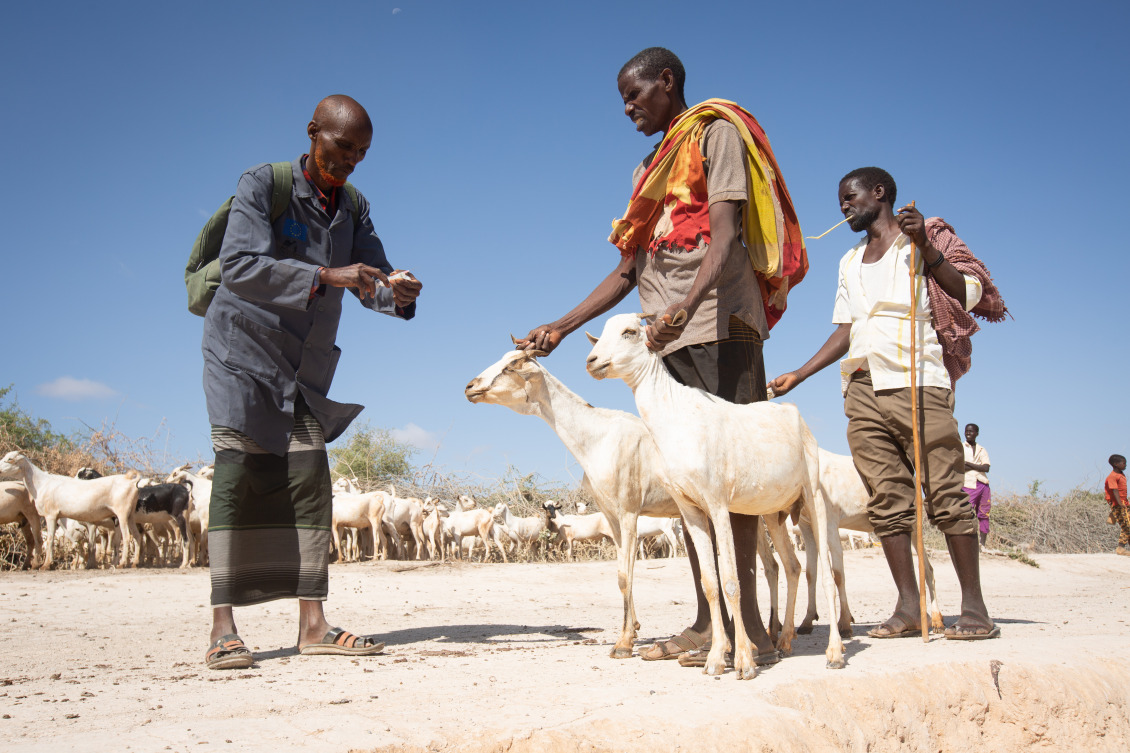
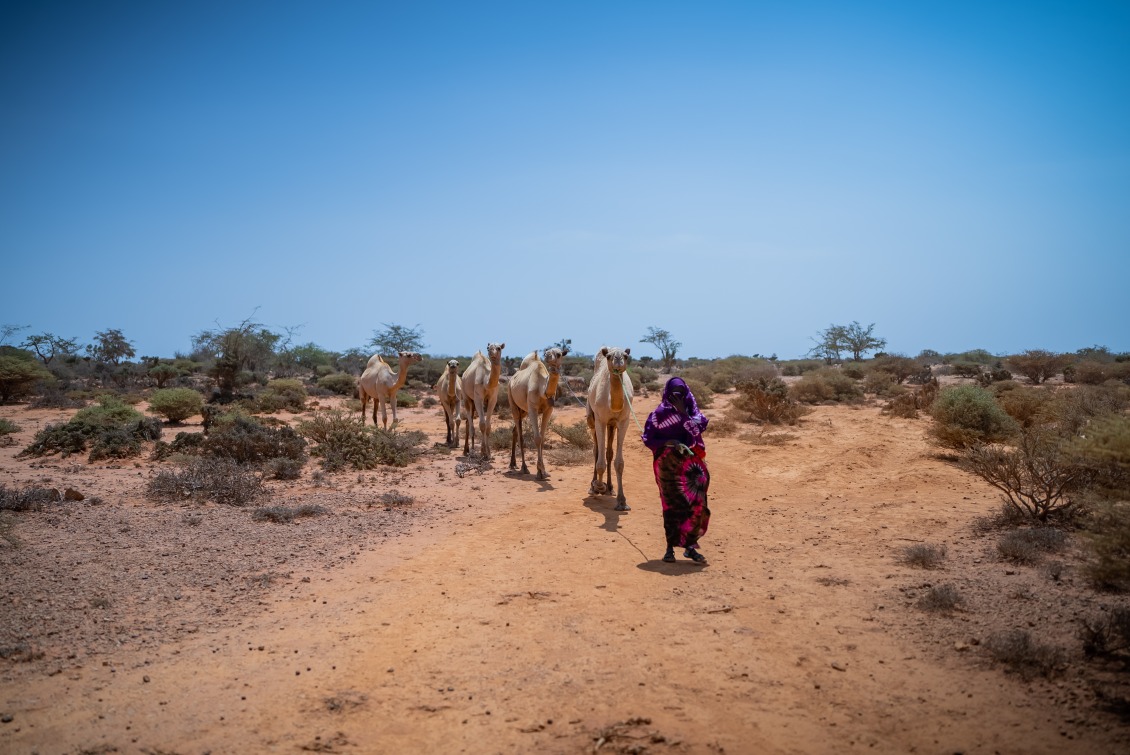
In the Sahel region of West Africa, climate shocks make decent pasture harder to find. We created the Pastoral Early Warning System, an innovative system of real-time alerts that help herders find better grazing land by using satellite imagery combined with mobile surveys of people on the ground.
In countries impacted by climate and conflict shocks, our Modelling Early Risk Indicators to Anticipate Malnutrition (MERIAM) project helps researchers to better model the prediction and monitoring of undernutrition. The MERIAM model forecasts future malnutrition crises using computer programming and biology, earth science, and social and economic factors to improve anticipatory action and prevent the worst effects of impending hunger crises.
SMART+ is a first-of-its-kind technology developed by the SMART Initiative that promises to change the way the world approaches data on malnutrition. It provides a complete digital infrastructure that covers the entire data collection and reporting chain. SMART+ consists of a mobile app, a central survey management platform, a data aggregator, and a visualization dashboard.
Grounded in proven SMART methodology, it provides faster, more accurate mobile data that automatically includes time stamps and geolocations. It not only equips governments, humanitarian groups and donors with real-time insights, it holds the potential to aggregate the data at a global level, enabling trend analysis to identify precisely when and where intervention is needed, then working together to deliver it. The SMART Initiative, which developed the tool, is an inter-agency initiative housed and supported by Action Against Hunger Canada.
Stay up to date with the latest news.
Get updates on our latest projects.


